

Before leaving for Cambodia in August, I wrote about the significance of traveling there in the year I turned 50. Fifty years since the Cambodian genocide began. Fifty years of my own life unfolding alongside a history of unimaginable loss for so many others.
Now, several months later, there is so much I continue to carry. So many people, places, conversations, and moments that are still finding their way into my heart.
And perhaps what has stayed with me most is just how much I received.
The Posture of Listening
How often do we enter unfamiliar places, relationships, or even conversations with an agenda? With ideas about what needs to change, what we can offer, or what we believe others need?
But what happens when we enter with a willingness to be changed ourselves?
To receive rather than simply give. To learn rather than assume. To recognize that the people we have come to serve have much to teach us.
One of the things I appreciated most about traveling with Mission 25 was their approach to mission work. They encouraged us to embrace an 80/20 posture: 80% listening, observing, and receiving, and 20% speaking, teaching, or doing.
And looking back, I think this posture prepared my heart for one of the most significant encounters of the trip.
"It Happened. It Really Happened."
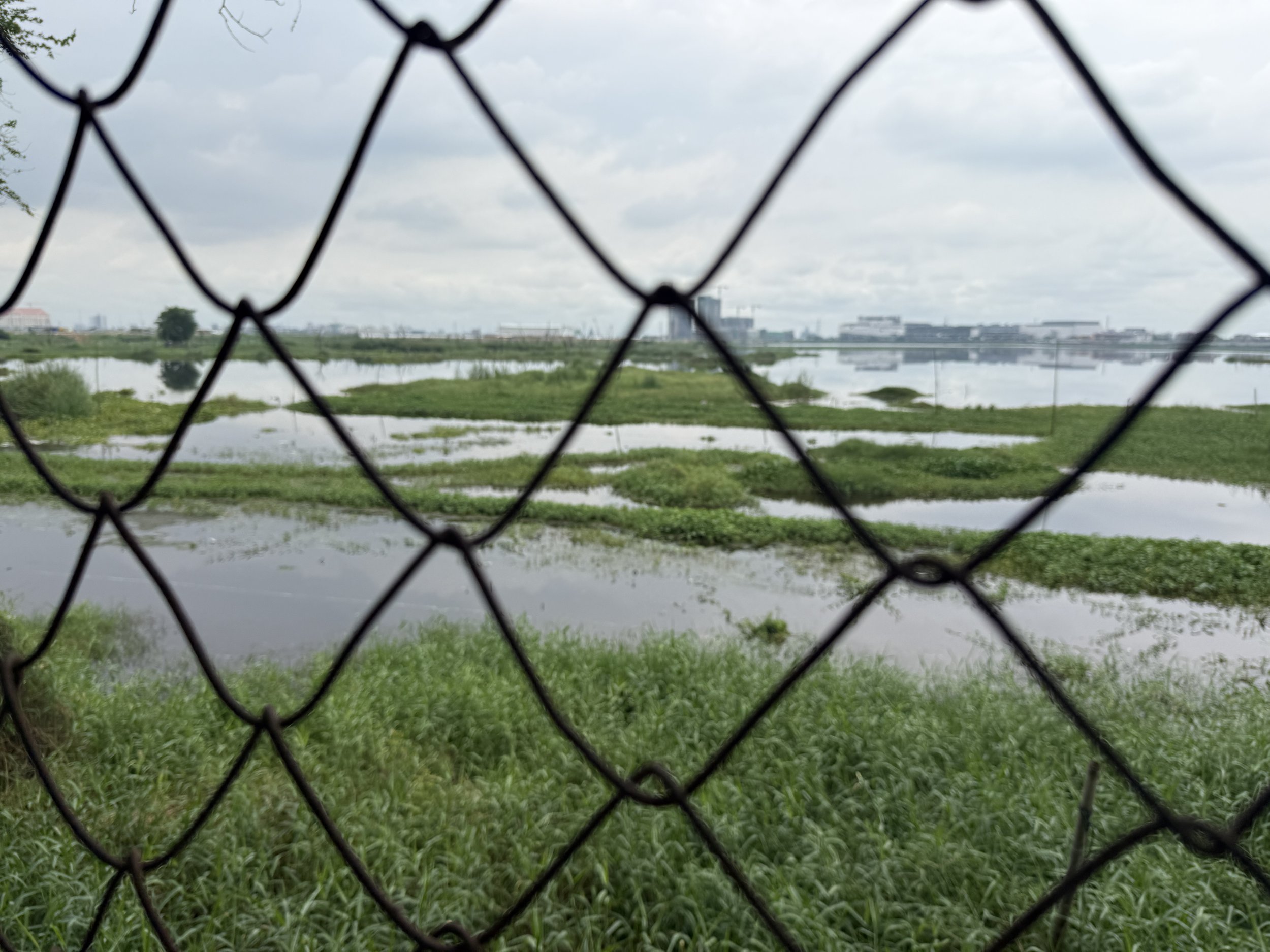
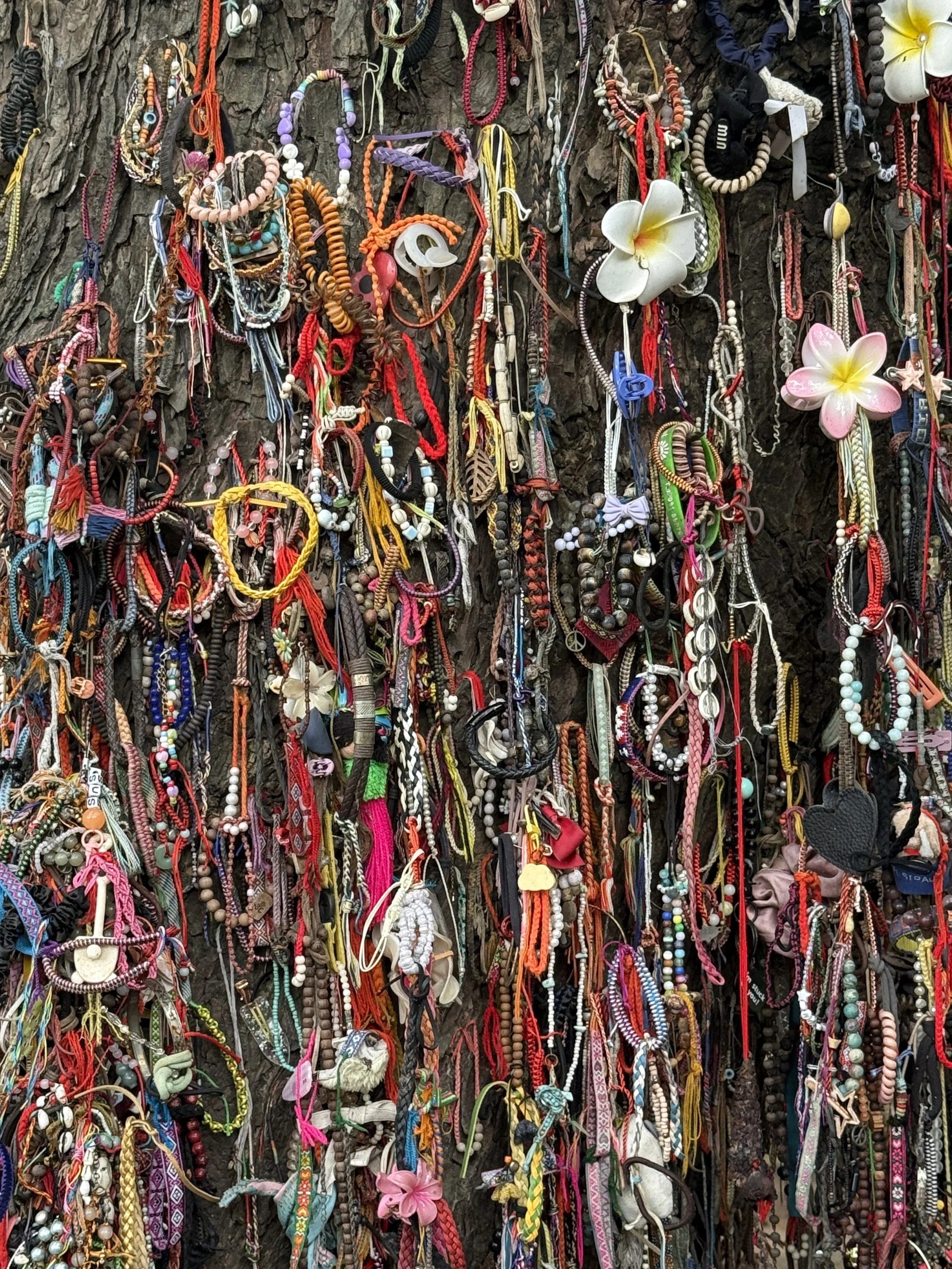
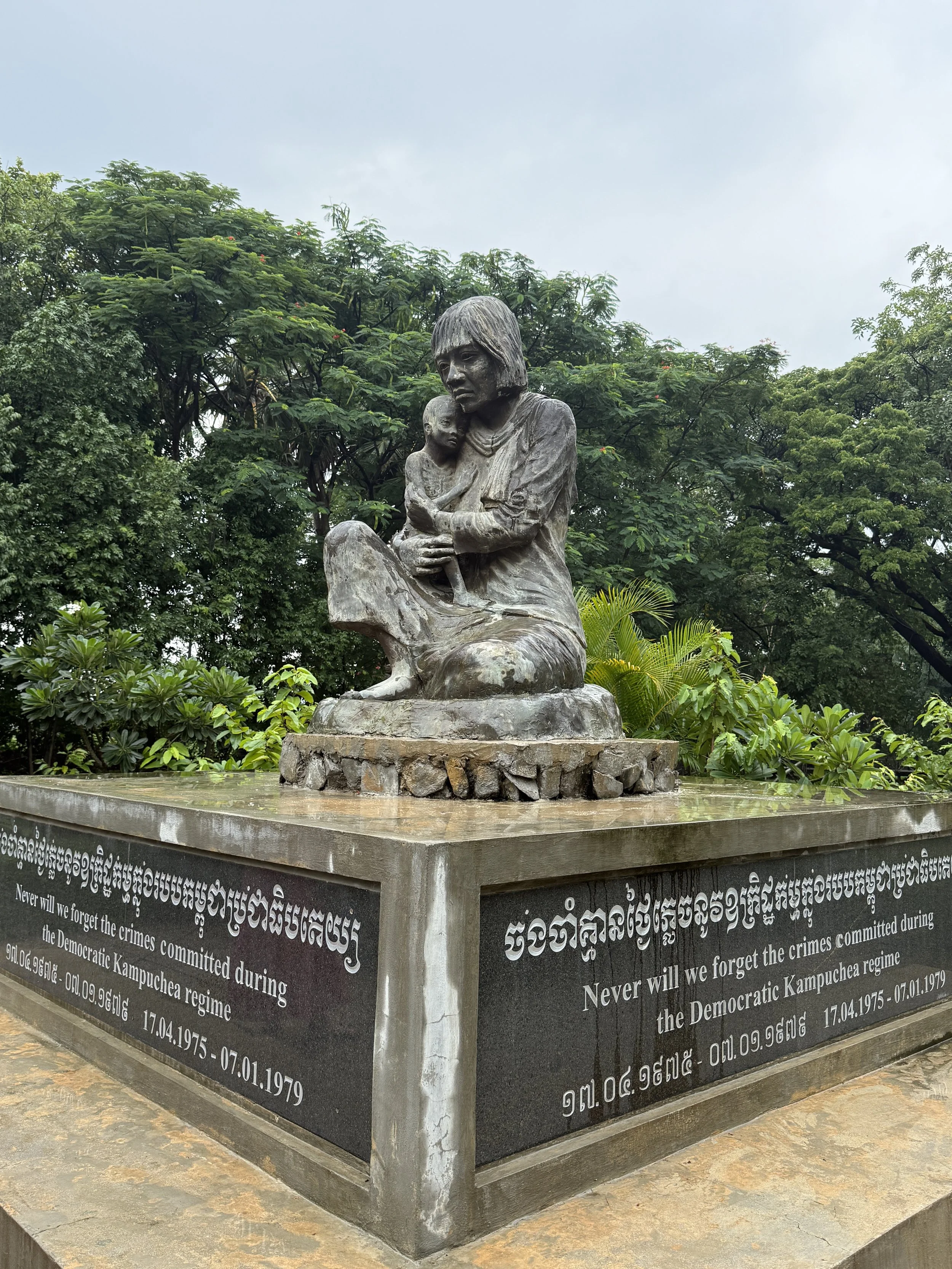
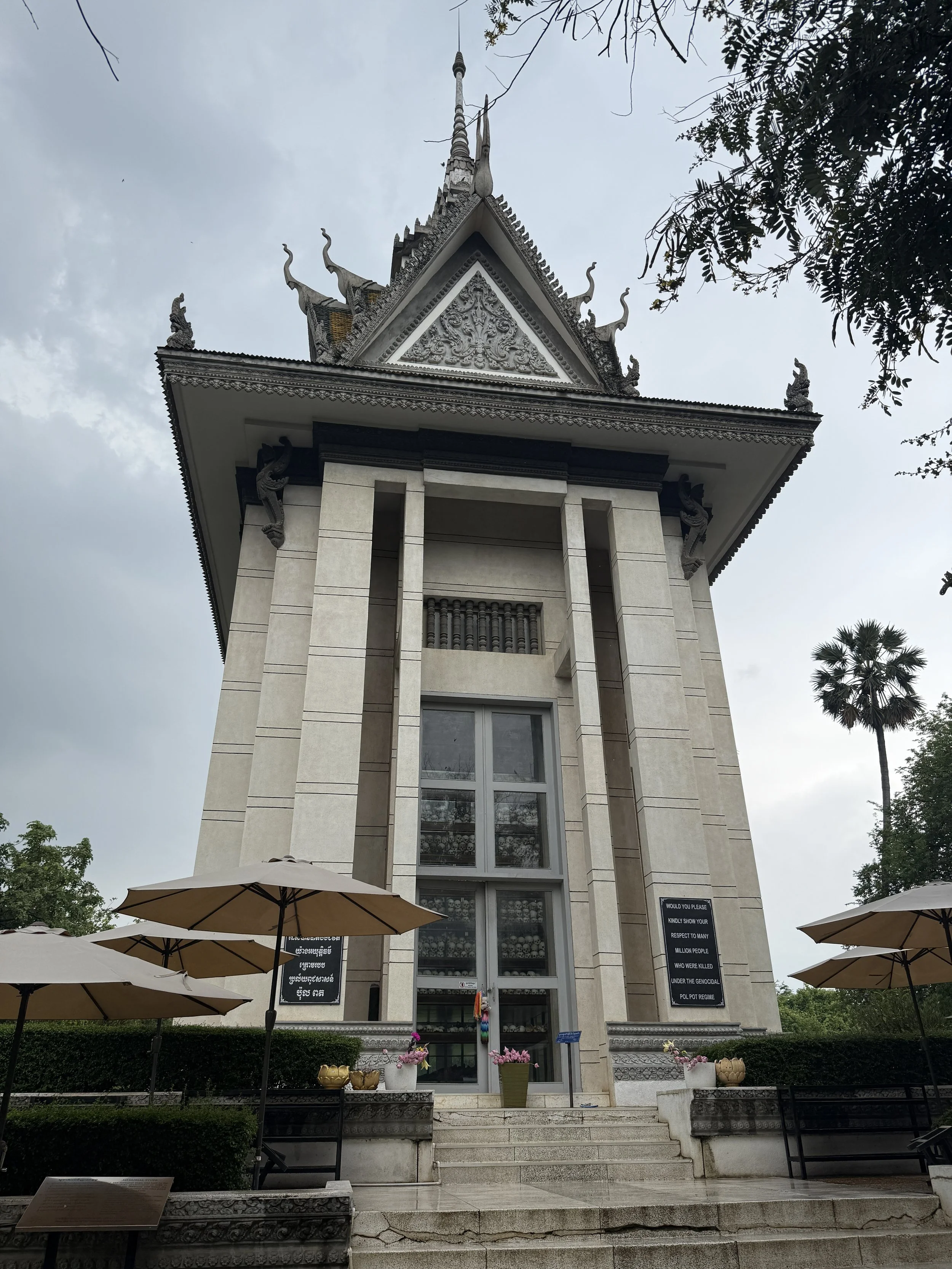
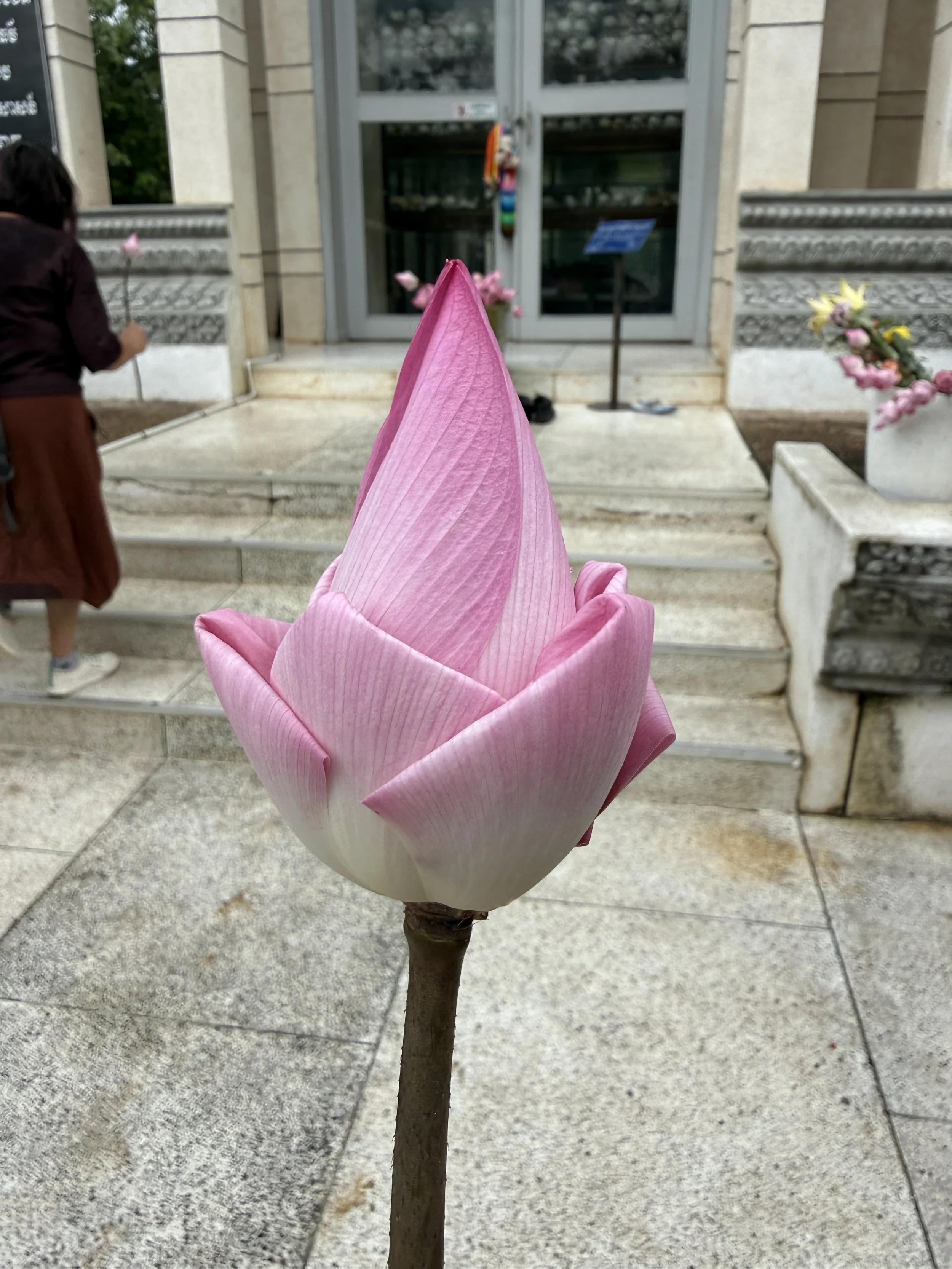
Early in our visit, we went to the Killing Fields, one of the memorial sites honoring the lives lost during the Cambodian genocide.
We had prepared for this visit. We had studied the history, read accounts, and watched documentaries. We knew something of the atrocities that had taken place.
But knowing about suffering and standing in a place that bears witness to it are two very different things.
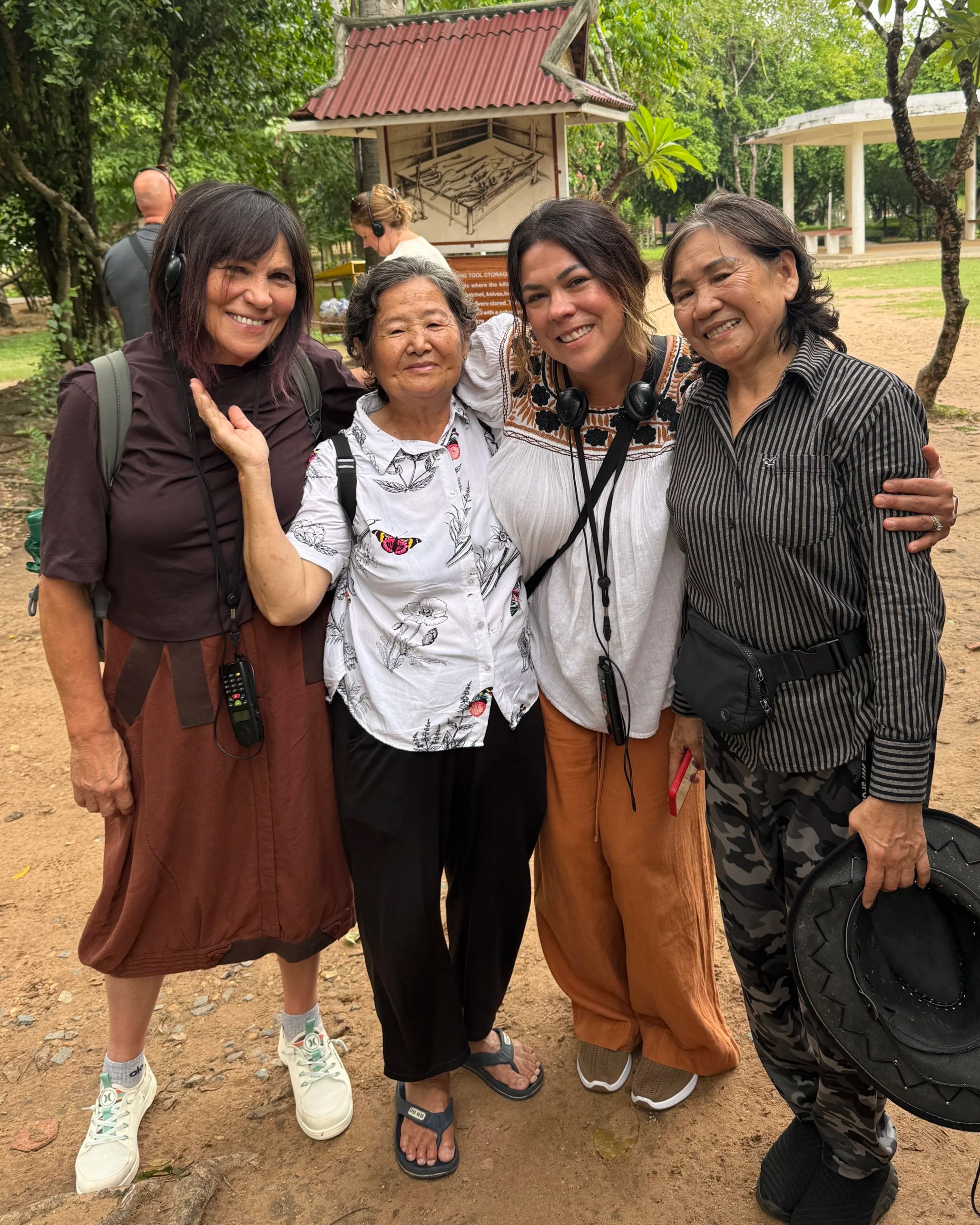
While we were there, two Cambodian women approached us. One was elderly, and both were survivors of the genocide. Between them, they had lost so many family members—mothers, fathers, aunts, uncles, siblings, and children. Those who survived had been scattered.
We clearly stood out as foreigners, strangers in their land.
The elderly woman began speaking to us in Khmer, repeating with an urgency that needed little translation:
"It happened. It really happened.
It's true."
She wanted us to know.
Not simply to know the historical facts, but to believe that the horror, the terror, and the unimaginable suffering had truly happened.
I have thought about that encounter so many times since returning home.
What does it mean for someone to need their story believed? To need another person to acknowledge that what happened was real?
We could not undo the past. We could not offer an explanation that would make sense of such suffering. And I cannot know what that brief encounter meant for those women.
But I know what it meant for me.
It reminded me that there is something profoundly human, and perhaps deeply sacred, about having the truth of our experiences acknowledged.
Sometimes we don't need someone to fix what happened. We need someone willing to hear it. To believe us. To bear witness.
Making Room for Stories
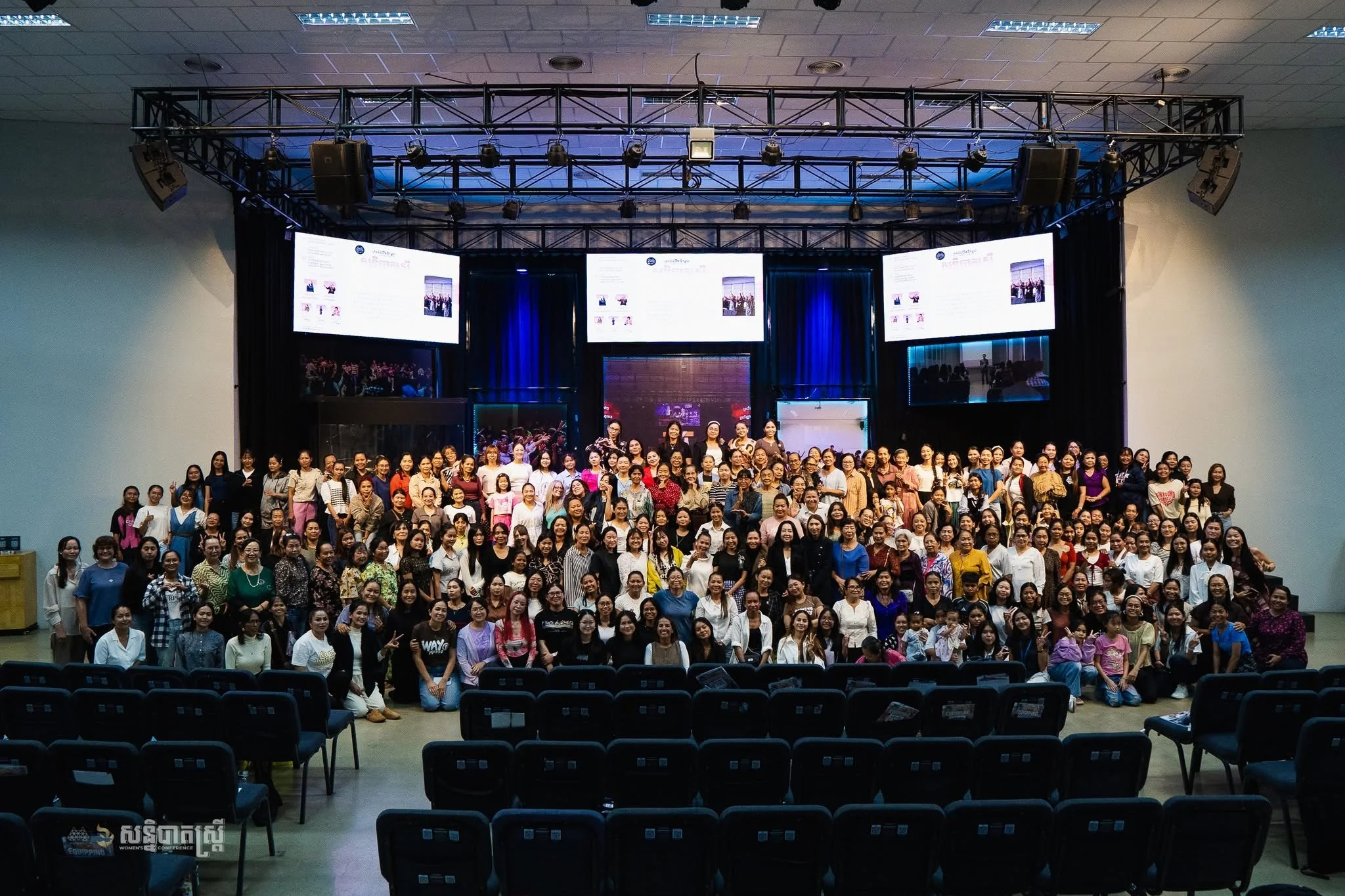
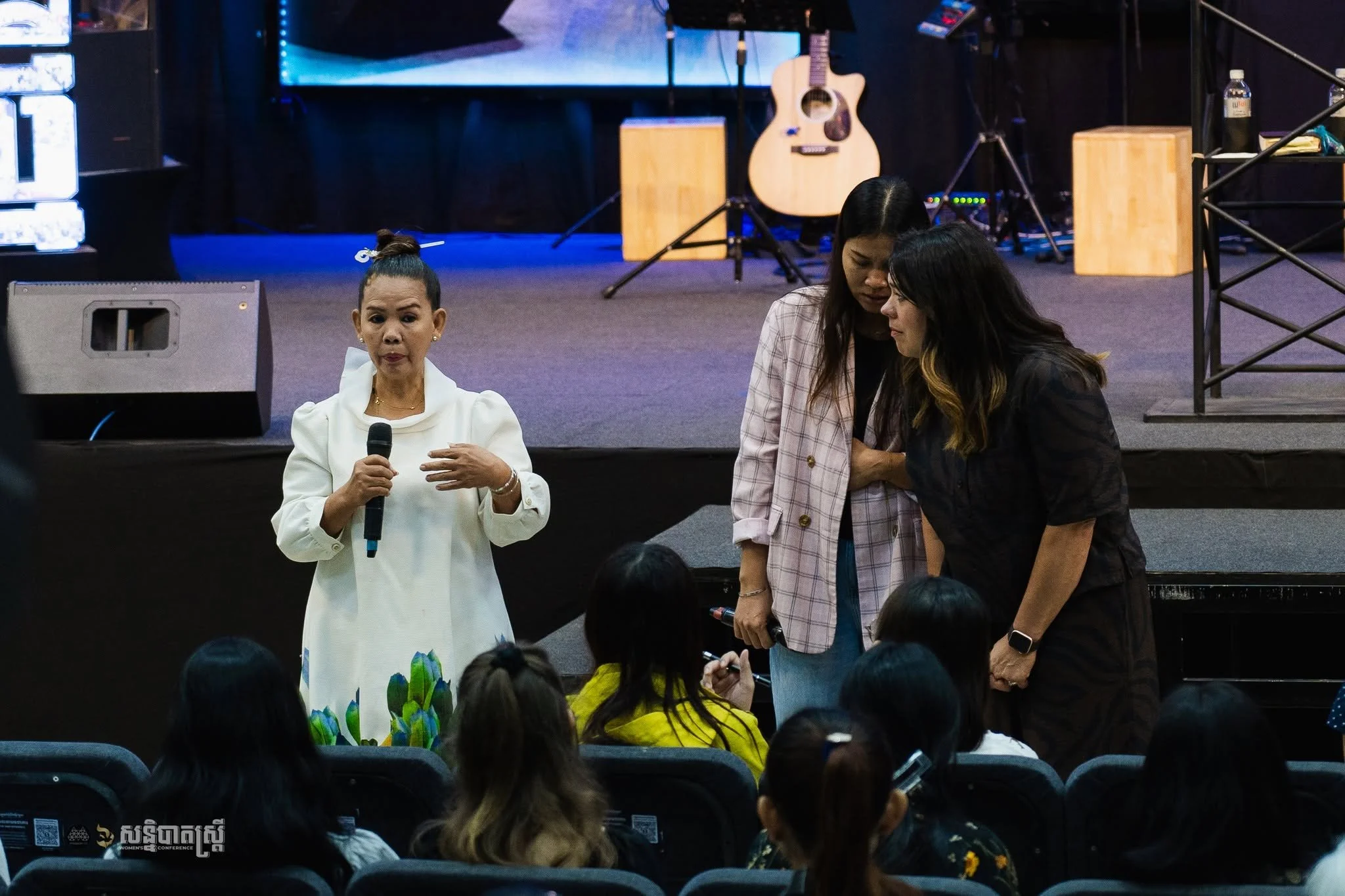
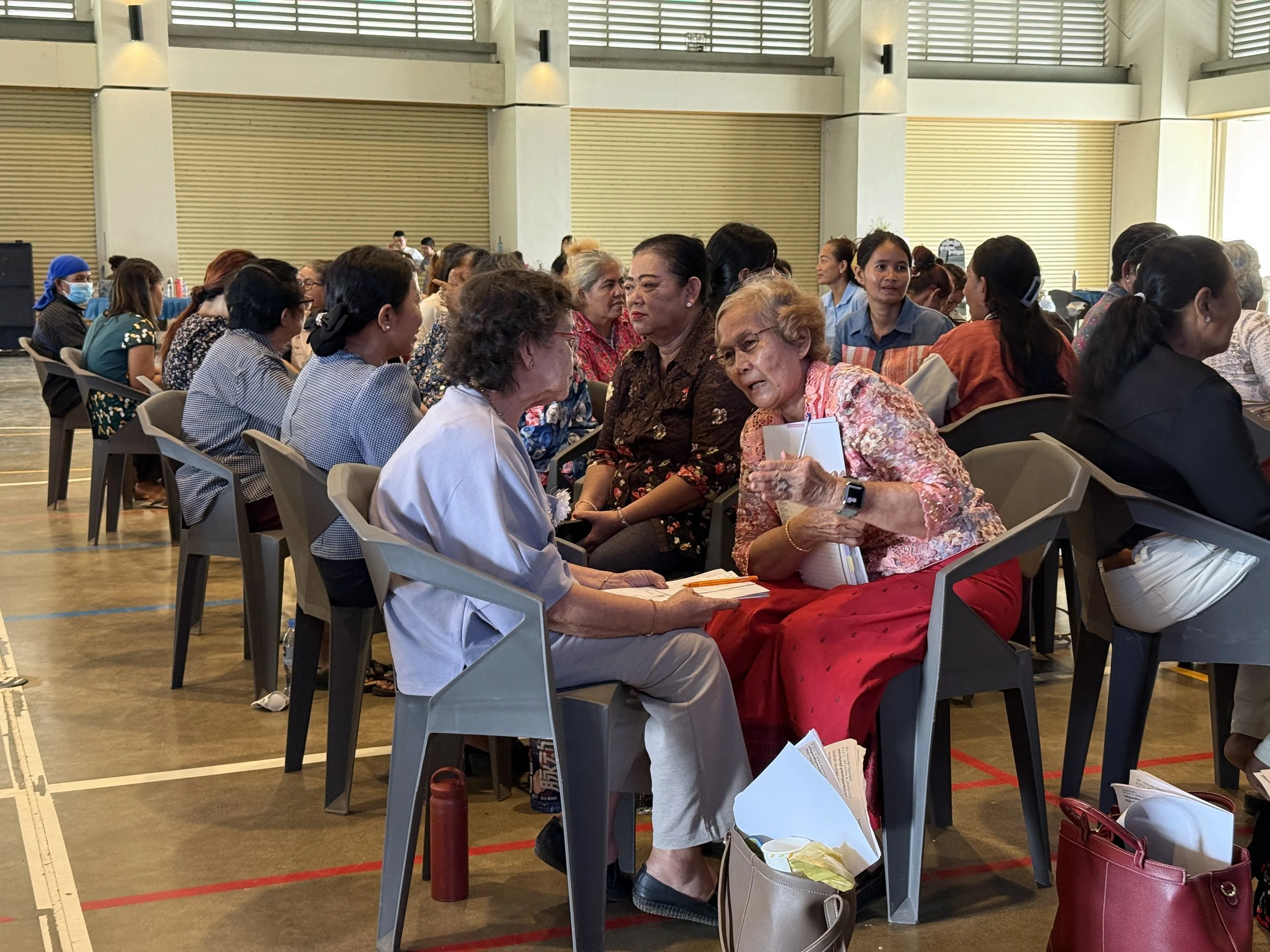
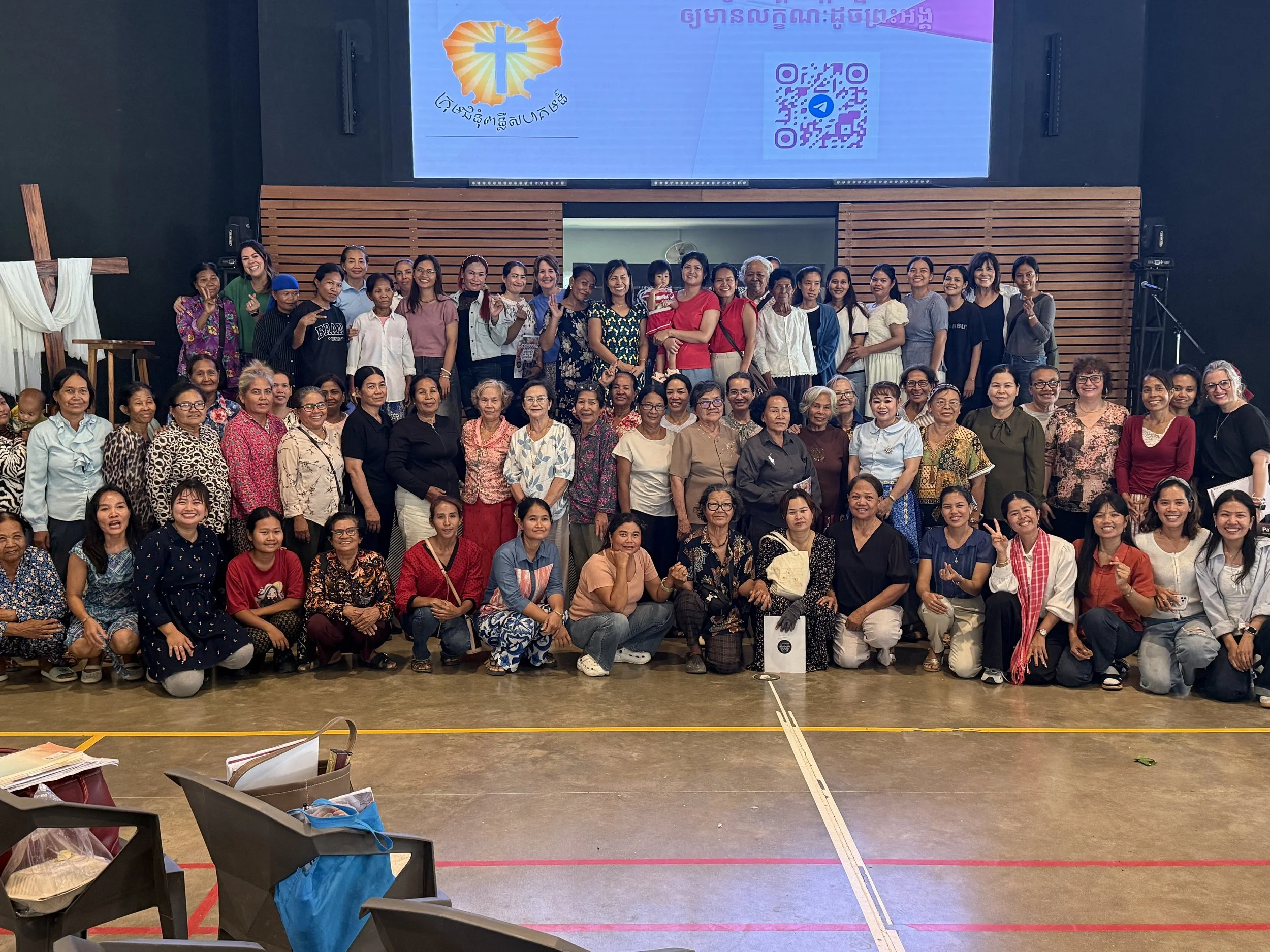
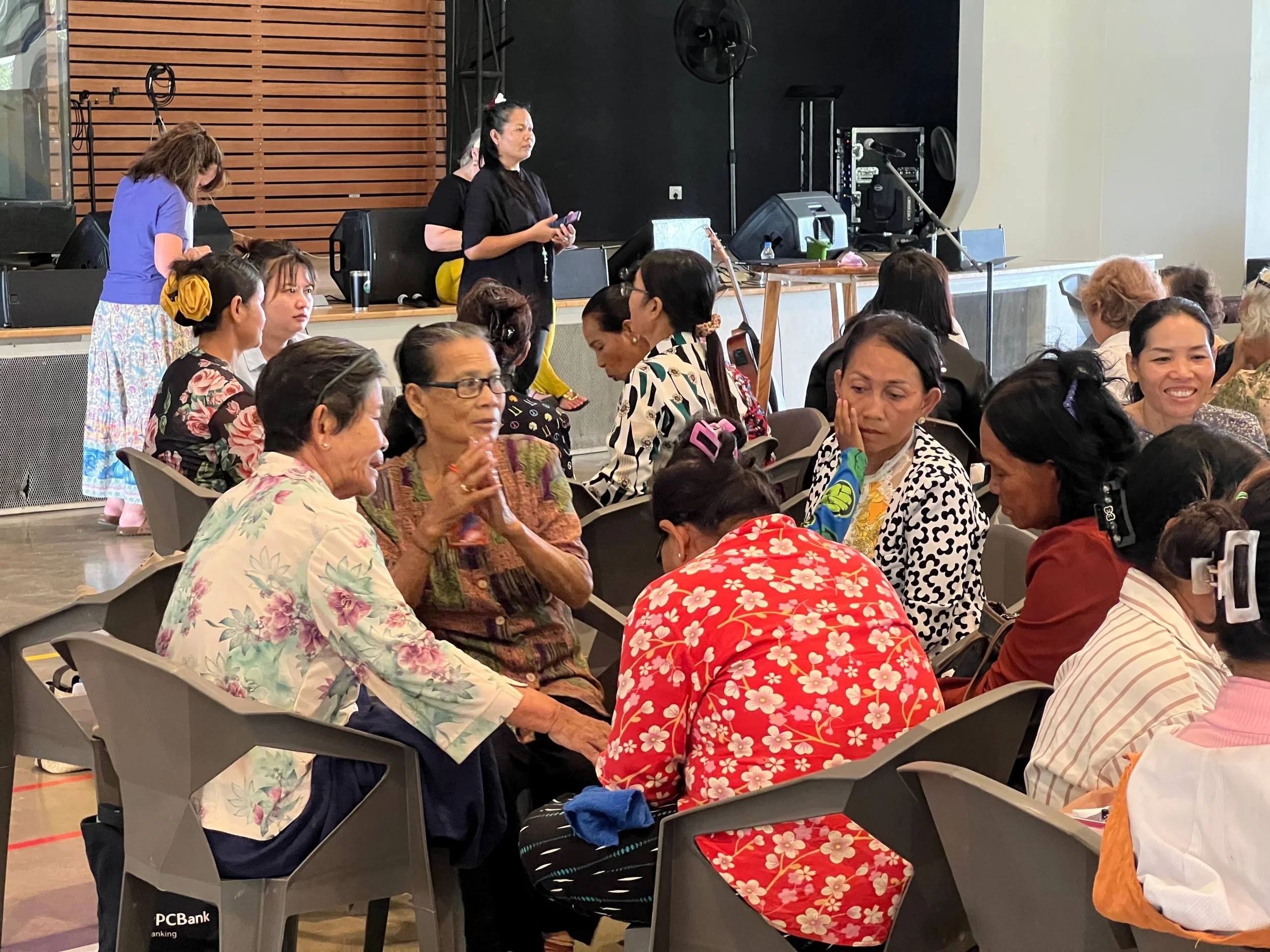
In the days that followed, I had the honor of facilitating workshops at women's conferences in Phnom Penh and Battambang.
One of the things I learned while in Cambodia was how silence had become a means of survival during the genocide. I was told that even showing emotion or crying over the death of a loved one could put someone's life at risk. Grief had to be hidden. Stories had to remain untold. And for good reason.
I couldn't help but wonder how deeply that silence had been carried through the years, and even across generations.
So to witness women begin to feel safe enough to share their stories was incredibly moving. Through small groups, one-on-one conversations, and even in the larger gathering, women began to open up. For some, it seemed to be an unfamiliar and courageous experience.
The tears flowed, but they had a tender place to land.
The relief was palpable. Not because the pain had disappeared or the trauma had somehow been released, but because, in those moments, women were finding they didn't have to hold everything inside, alone.
There was something deeply beautiful about witnessing women receive one another with such tenderness and care.
Breaking the silence doesn't erase what has been carried, but it can open the door to healing.
Still Listening
There is so much more I could share.
About the women I met. About the schools and communities we visited. About the extraordinary work of people like Yvonne Stiles, who has spent more than 16 years living far from home and founded Carrying Companions to serve children and adults with disabilities and their families.
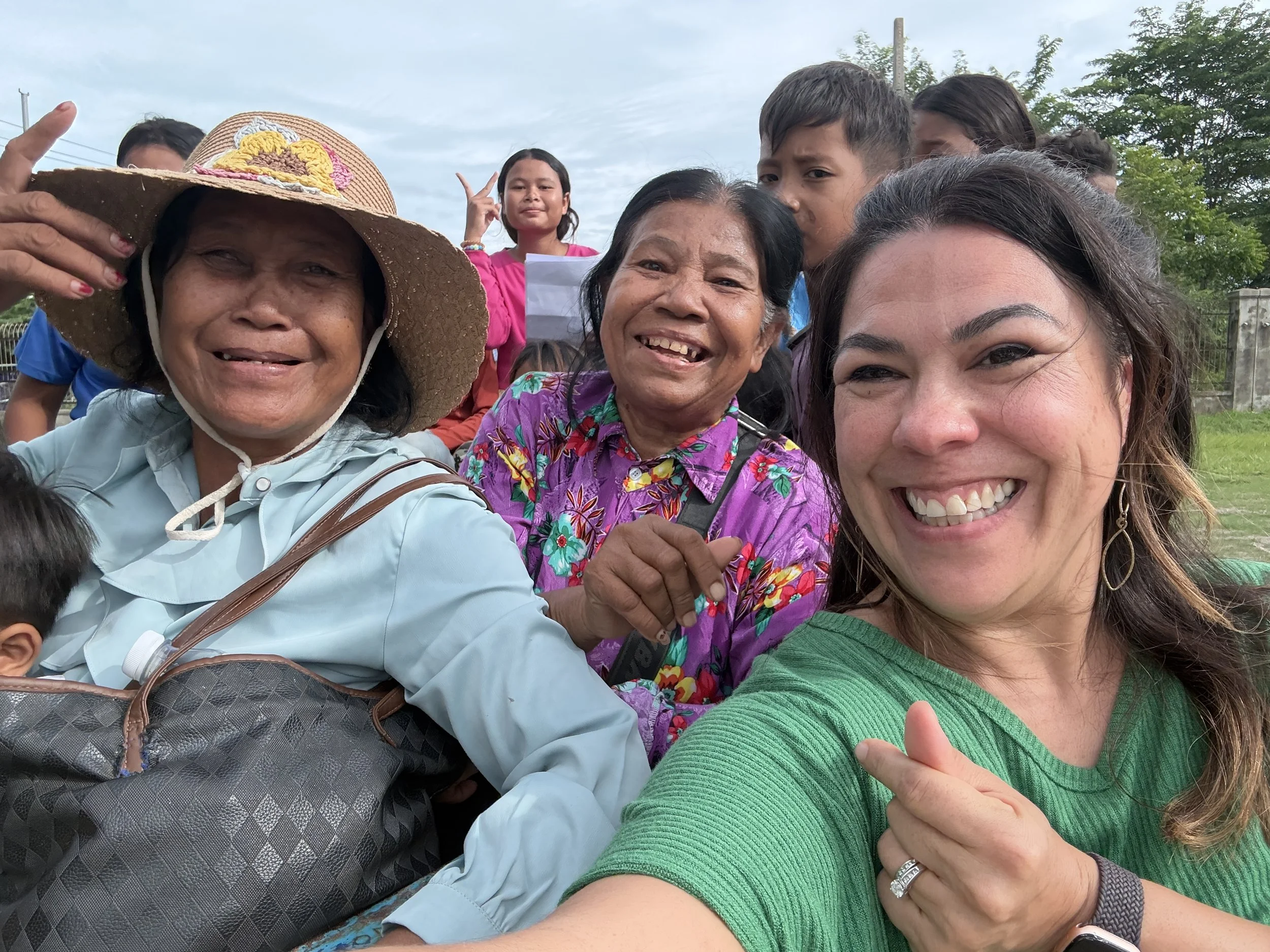
About the joy, the hospitality, the laughter, the beauty of Cambodia, and the many moments that challenged my assumptions.
And about the ways the stories I encountered have continued to find their way into my own home and family.
But perhaps those stories deserve their own space.
For now, I find myself returning to the two women at the Killing Fields.
"It happened. It really happened. It's true."
I went to Cambodia hoping to honor the stories of others. I returned with a deeper awareness of how much it matters for our stories to be heard, believed, and held with care.
Months later, I'm still listening.
